What is NAFLD / MASLD / MAFLD?
Metabolic dysfunction-associated steatotic liver disease (MASLD) is the updated term for what was previously known as non-alcoholic fatty liver disease (NAFLD). This change reflects a more accurate and respectful understanding of the condition.
- The term —steatotic— refers to the buildup of fat—specifically triglycerides—within liver cells (hepatocytes), a key feature observed under the microscope.
- The previous label —non-alcoholic— was used to distinguish it from liver disease caused by alcohol, since both can show similar patterns of fat accumulation and liver inflammation.
By shifting to MASLD, the focus moves away from stigmatizing language and toward the underlying metabolic factors that contribute to liver health. This change supports a more inclusive and empowering approach to diagnosis, treatment, and awareness.
If not addressed, MASLD (formerly known as NAFLD or MAFLD) can advance to a more serious condition called NASH—nonalcoholic steatohepatitis.
Over time, NASH can lead to liver scarring (cirrhosis), which may cause lasting damage and impact liver function.
Taking steps early—through lifestyle changes, medical guidance, and regular monitoring—can help prevent this progression and protect long-term liver health.
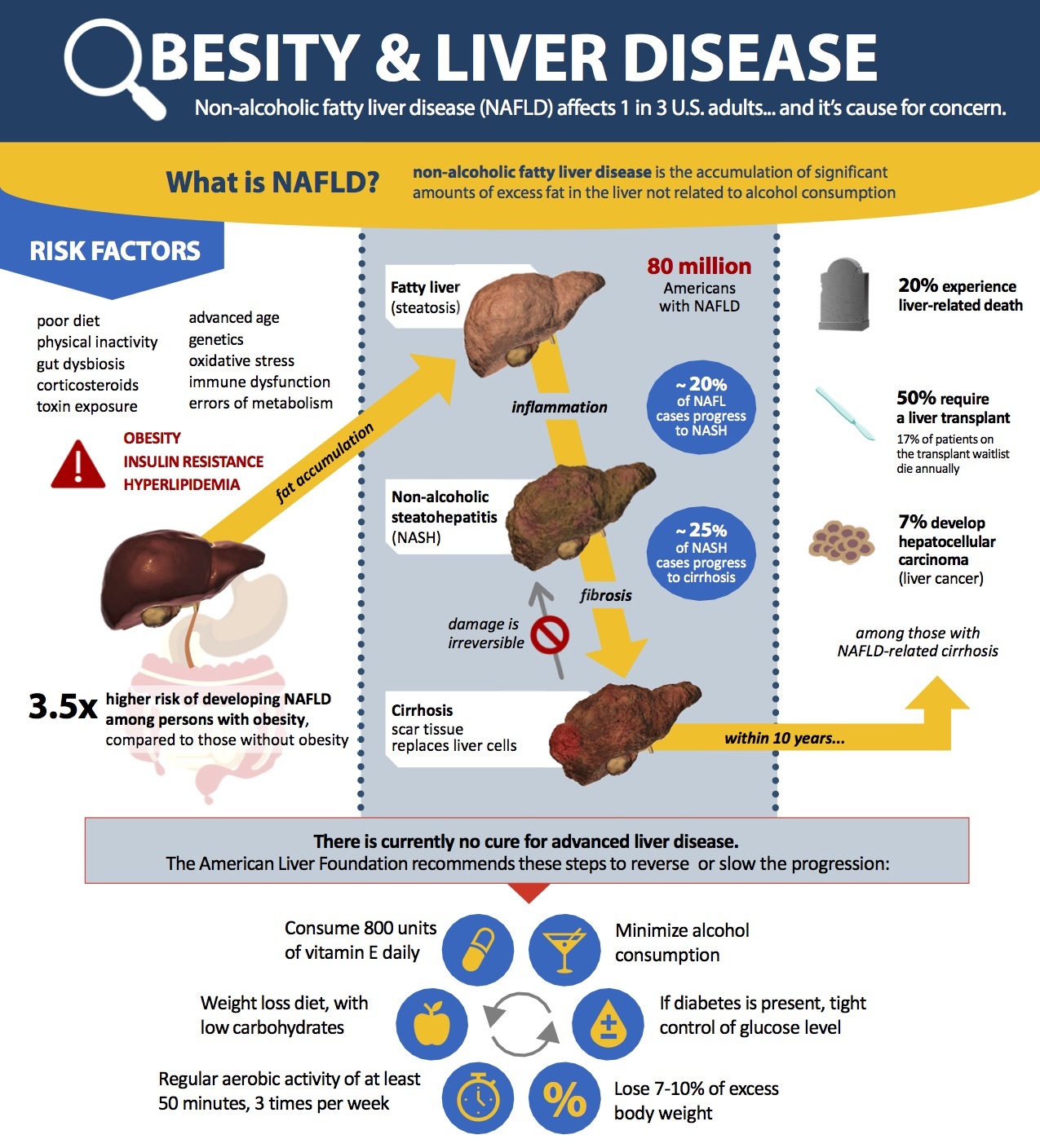

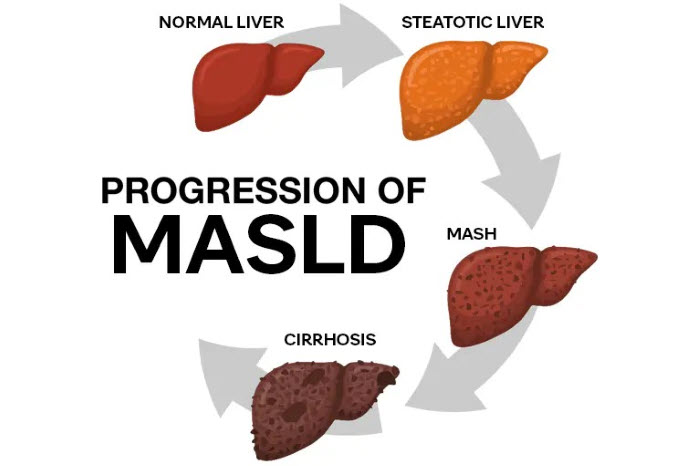

Metabolic dysfunction-associated steatotic liver disease (MASLD) is the most common form of chronic liver disease in the United States—especially among individuals who consume little or no alcohol. It occurs when excess fat accumulates in the liver and is strongly tied to rising rates of obesity, type 2 diabetes, and metabolic syndrome across American populations.
MASLD has replaced what was previously termed NAFLD and affects millions of U.S. adults, often without noticeable symptoms. Left unchecked, MASLD can progress to more serious conditions, including:
- Metabolic dysfunction-associated steatohepatitis (MASH) — inflammation and liver damage that increase the risk of fibrosis
- Cirrhosis — irreversible liver scarring
- Liver cancer — particularly in advanced stages of liver deterioration

MASLD can progress to more severe forms such as non-alcoholic steatohepatitis (NASH), cirrhosis, and liver cancer. Early detection and lifestyle changes are crucial for prevention and management.
Symptoms and Diagnosis
- Often no symptoms in early stages
- Fatigue
- Discomfort in the upper right abdomen
- Unexplained weight loss
- Weakness

Prevention and Management
Key strategies include:
- Healthy diet low in saturated fats and sugars
- Regular exercise
- Weight loss if overweight
- Managing diabetes and cholesterol
- Avoiding alcohol

Videos on NAFLD
NAFLD in USA: Statistics and Challenges
NAFLD remains significantly underdiagnosed across the United States, often because early stages show few, if any, symptoms. Many individuals live with the condition unknowingly until it progresses to more serious liver diseases like MASH (formerly NASH) or cirrhosis.
The urgency is clear: early diagnosis and intervention can make the difference between reversible damage and long-term liver complications. Yet access to routine screening and liver health education is uneven—especially in underserved communities.
